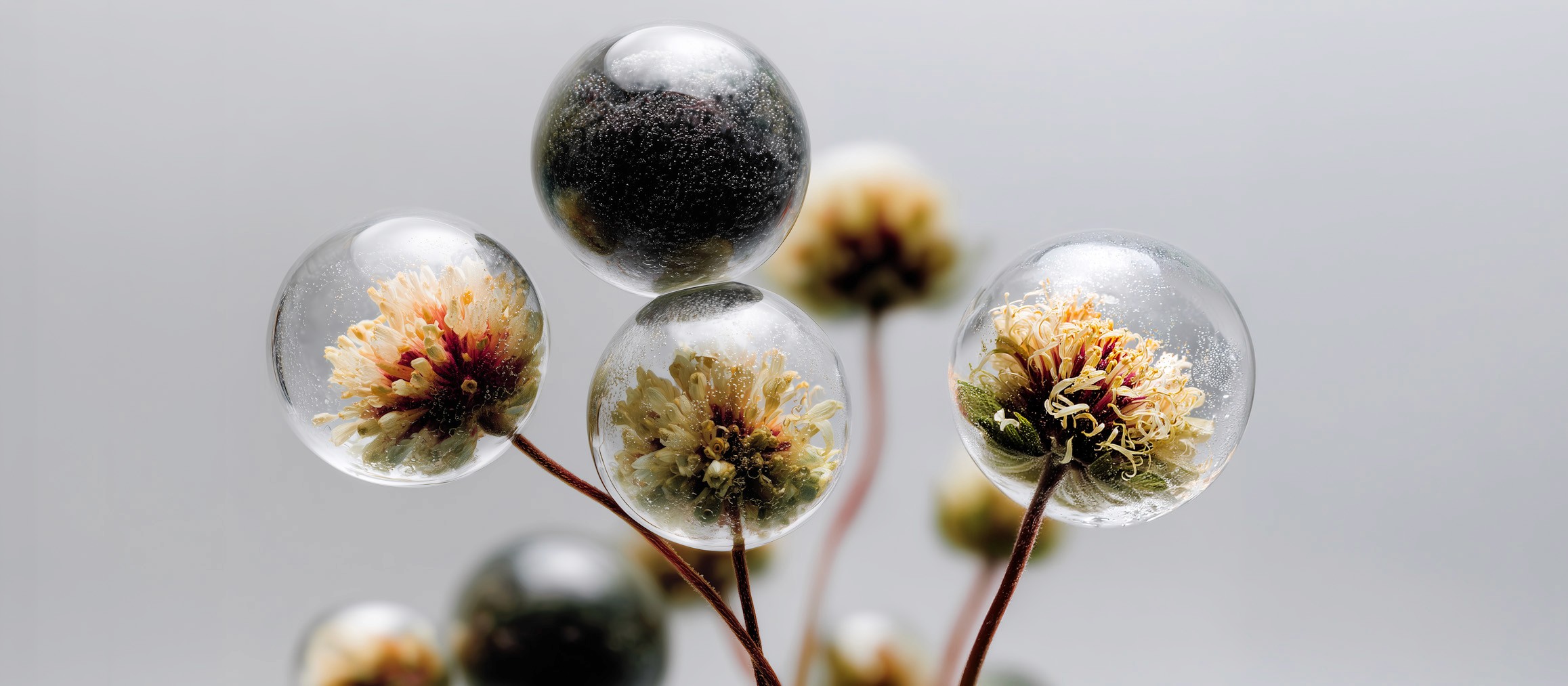
Contained ecosystems.

Observed growth.

Focused on the future of natural life within synthetic systems since 2016.

Focused on the future of natural life within synthetic systems since 2016.

We study living systems placed in controlled environmentsexamining growth, fragility, and adaptation when nature is isolated, preserved, or recontextualized.
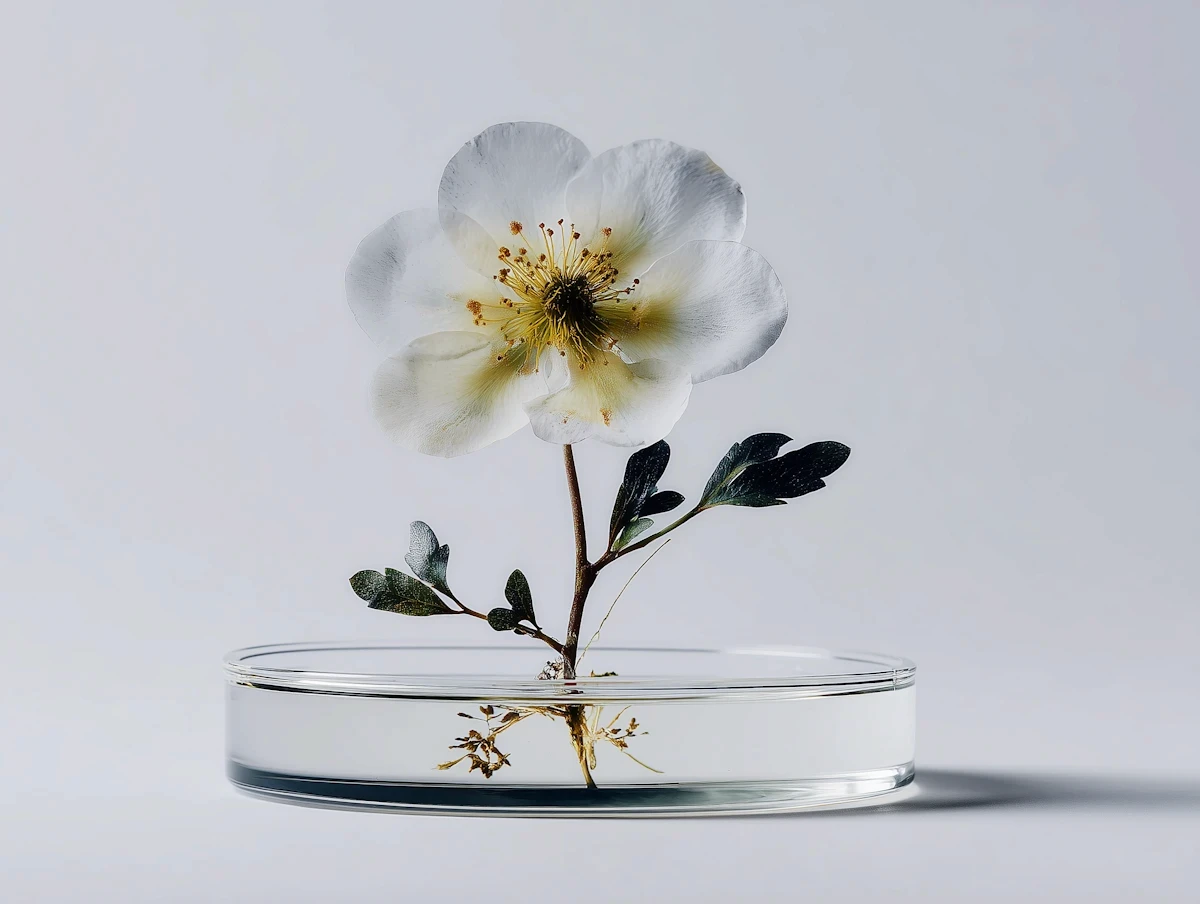

(About)

We conduct experimental research on biological forms placed within sterile, human-designed conditions

Where living systems meet human intervention

A systematic exploration of life placed inside controlled and synthetic environments.

  • Partner company logo
  • Partner company logo
  • Partner company logo
  • Partner company logo
  • Partner company logo

Researching life within controlled systems.

Built for precision. Grounded in observation.

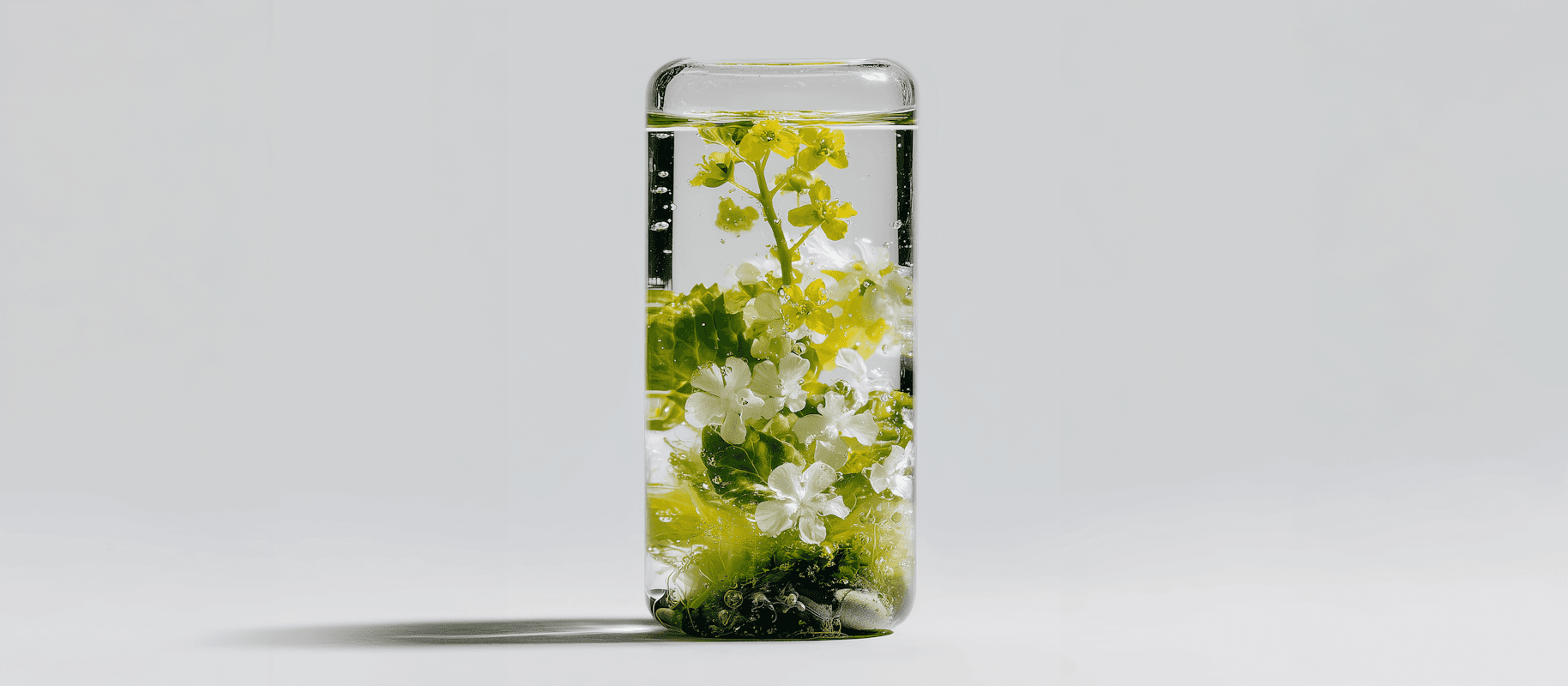
Elegant floral display

Nature under study.

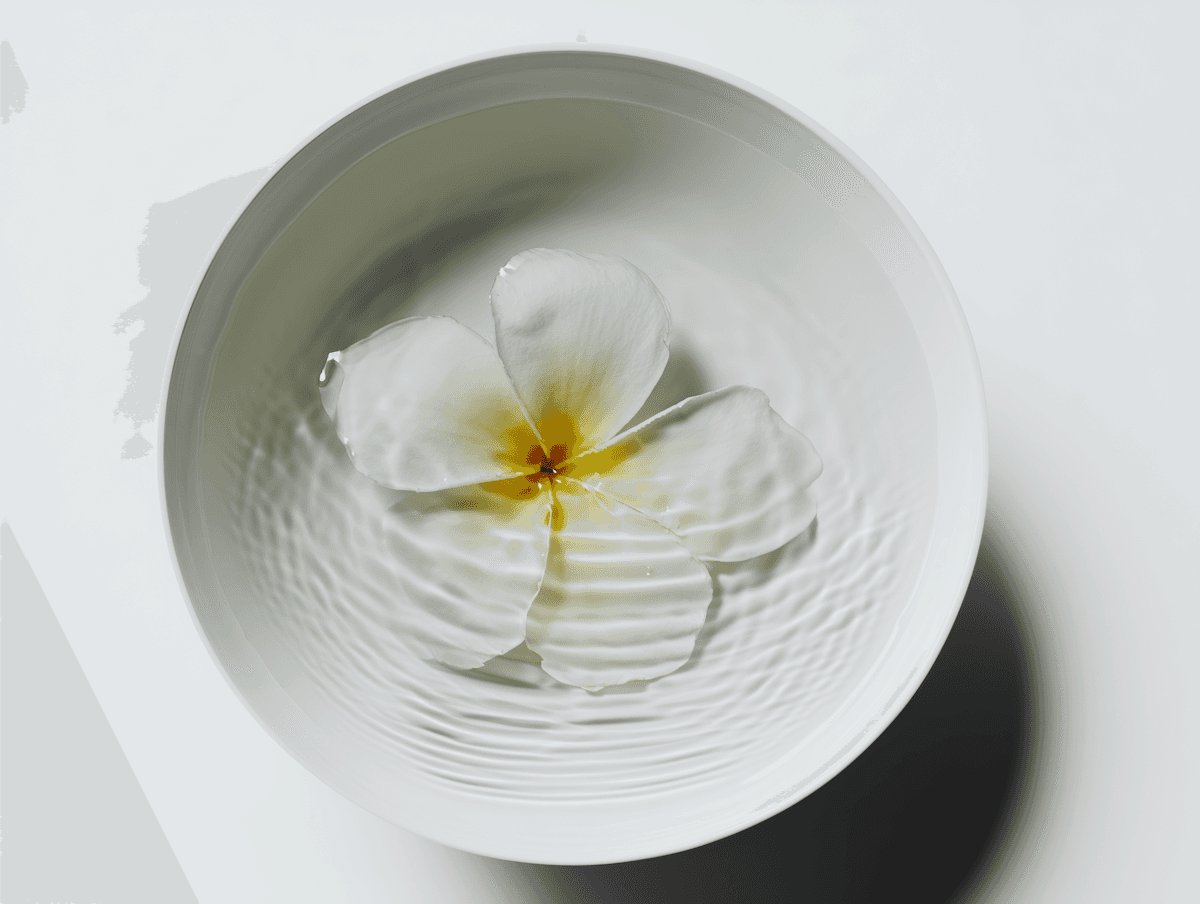
Floating white flower

Controlled ecosystems

/01

Studying biological growth in isolated, artificial environments and the long-term effects of environmental limitation.
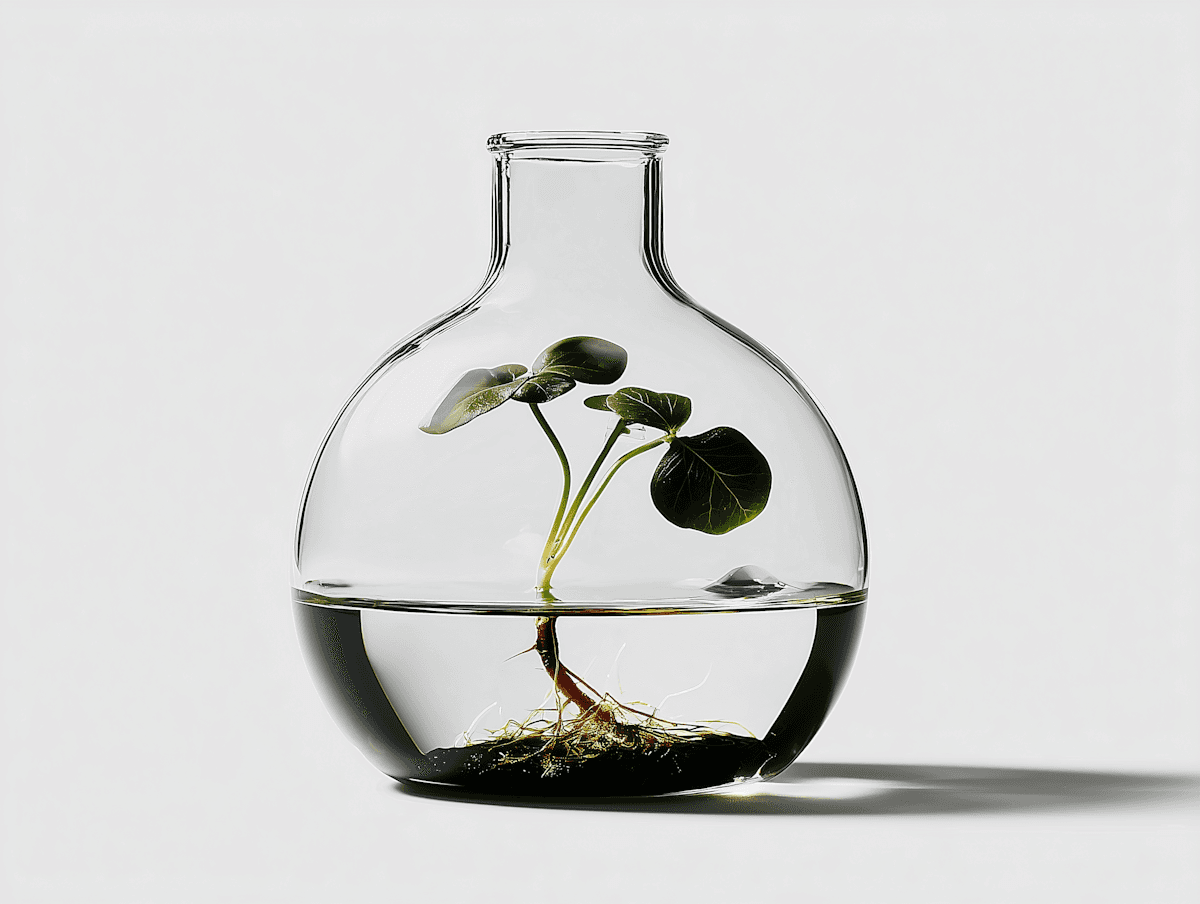
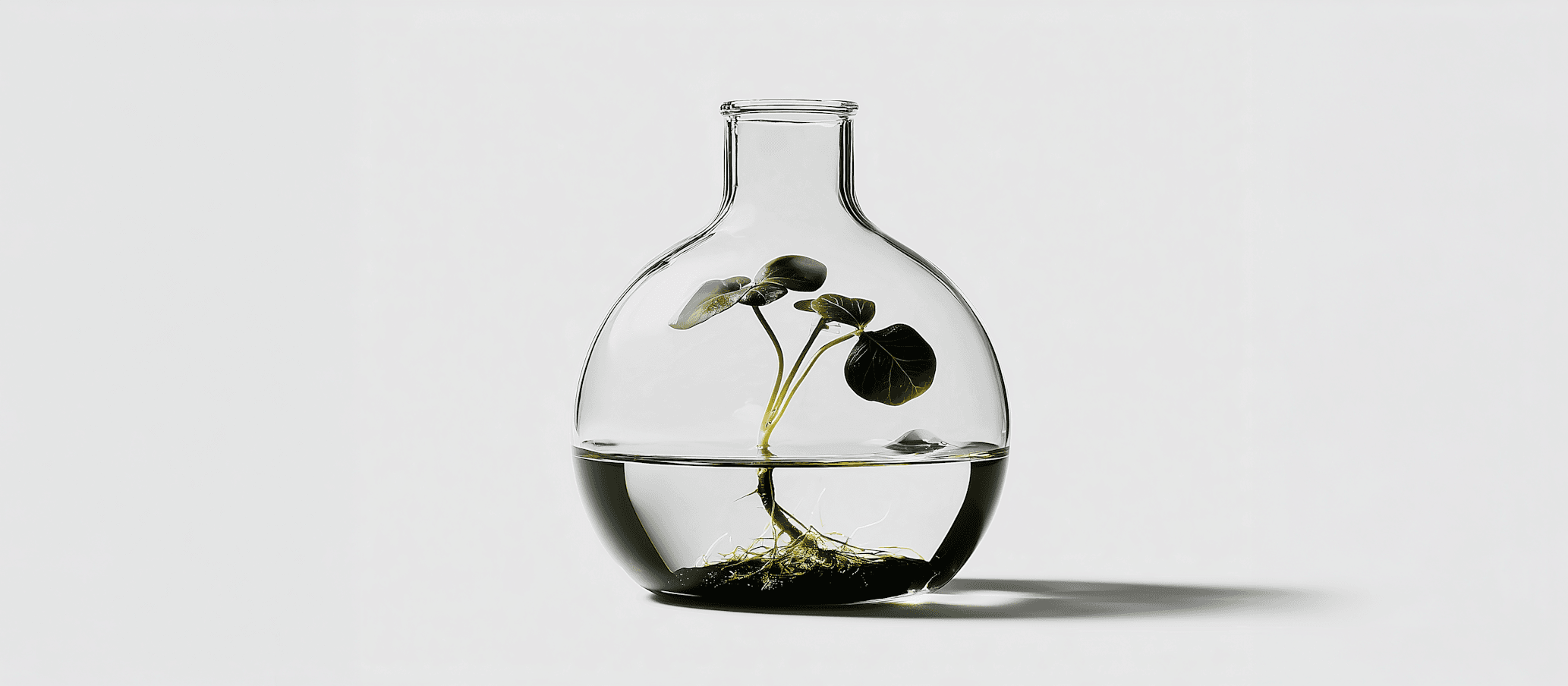
Plant in glass flask

Preservation & intervention

/02

Exploring how preservation methods alter natural behavior, structure, and lifespan.
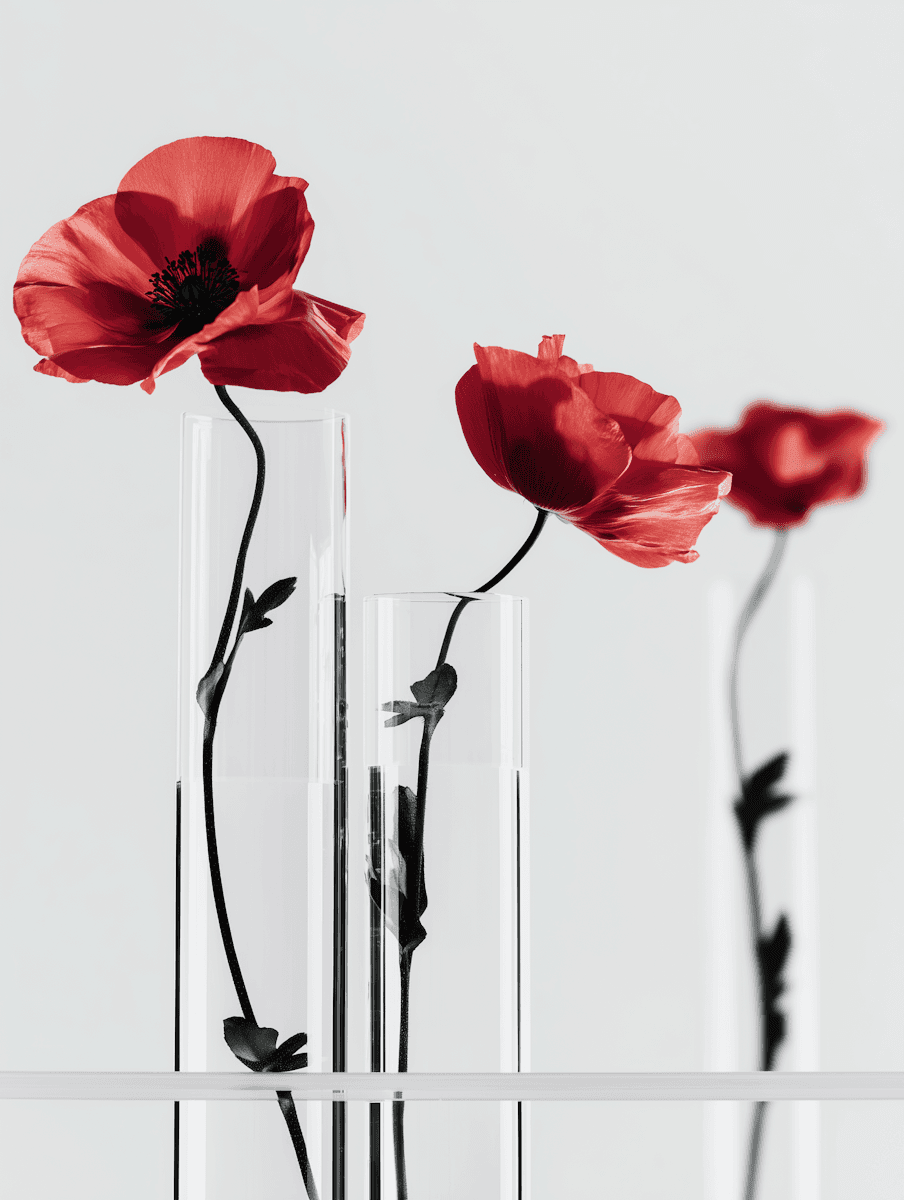
Adaptation under constraint

/03

Observing how living organisms respond to restricted conditions, reduced variability, and synthetic surroundings.

(Methodology)

Structured environments. Careful intervention. Long-term observation.

0
1
2
3
4
5
6
7
8
9
0
1
2
3
4
5
6
7
8
9
0
1
2
3
4
5
6
7
8
9
0
1
2
3
4
5
6
7
8
9

Controlled Complexity

Our research is conducted within tightly controlled environments designed to isolate variables without eliminating complexity.

Controlled Complexity

Our research is conducted within tightly controlled environments designed to isolate variables without eliminating complexity.

Controlled Complexity

Our research is conducted within tightly controlled environments designed to isolate variables without eliminating complexity.

0
1
2
3
4
5
6
7
8
9
0
1
2
3
4
5
6
7
8
9
0
1
2
3
4
5
6
7
8
9
0
1
2
3
4
5
6
7
8
9

Longitudinal Observation

Living systems are observed over extended periods, allowing subtle structural, behavioral, and adaptive changes to emerge naturally.

Longitudinal Observation

Living systems are observed over extended periods, allowing subtle structural, behavioral, and adaptive changes to emerge naturally.

Longitudinal Observation

Living systems are observed over extended periods, allowing subtle structural, behavioral, and adaptive changes to emerge naturally.

0
1
2
3
4
5
6
7
8
9
0
1
2
3
4
5
6
7
8
9
0
1
2
3
4
5
6
7
8
9
0
1
2
3
4
5
6
7
8
9

Deliberate Intervention

Adjustments are minimal, intentional, and carefully measured, with every consequence documented.

Deliberate Intervention

Adjustments are minimal, intentional, and carefully measured, with every consequence documented.

Deliberate Intervention

Adjustments are minimal, intentional, and carefully measured, with every consequence documented.

0
1
2
3
4
5
6
7
8
9
0
1
2
3
4
5
6
7
8
9
0
1
2
3
4
5
6
7
8
9
0
1
2
3
4
5
6
7
8
9

Continuous Data Capture

Data is collected through ongoing observation, environmental monitoring, and comparative analysis across controlled conditions.

Continuous Data Capture

Data is collected through ongoing observation, environmental monitoring, and comparative analysis across controlled conditions.

Continuous Data Capture

Data is collected through ongoing observation, environmental monitoring, and comparative analysis across controlled conditions.

(Studies)

Investigating living systems.

Built for rigor. Grounded in evidence.
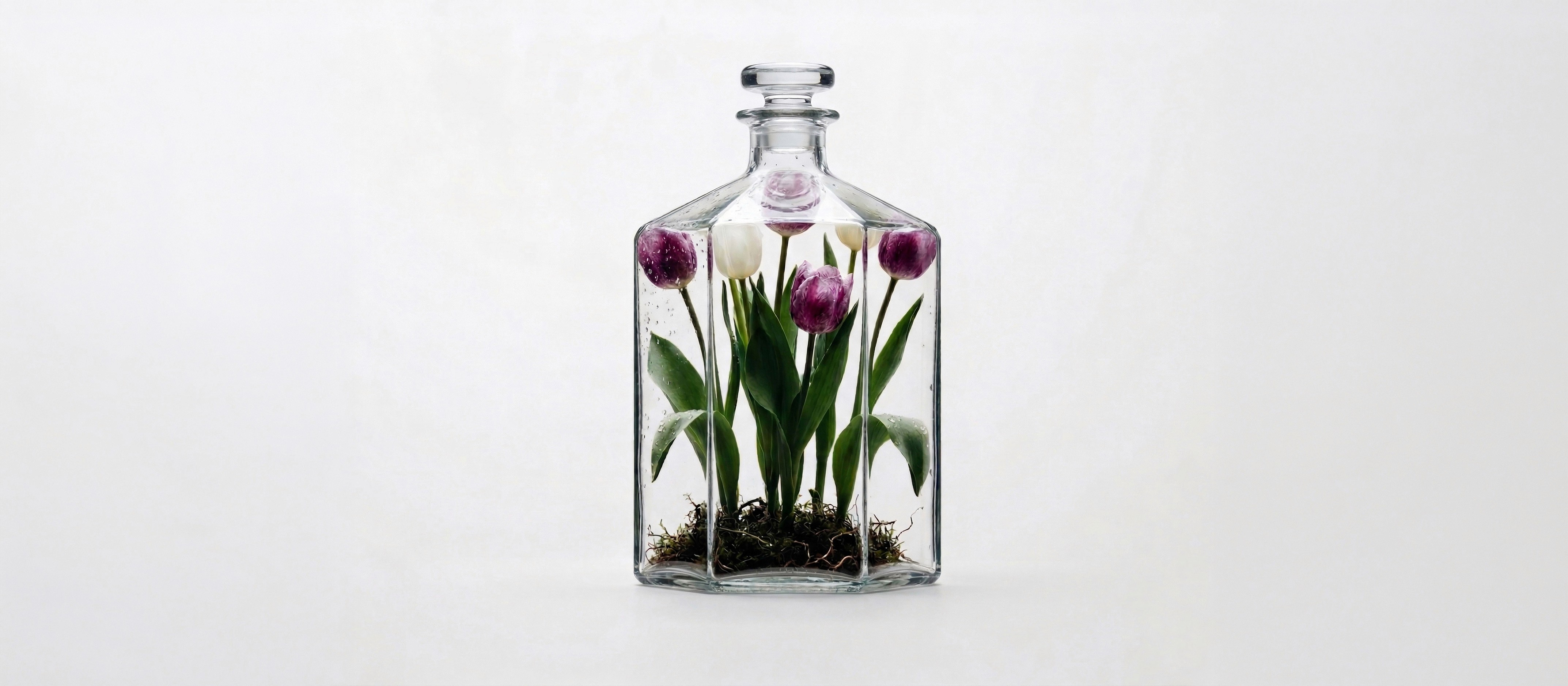
Tulips in glass flask
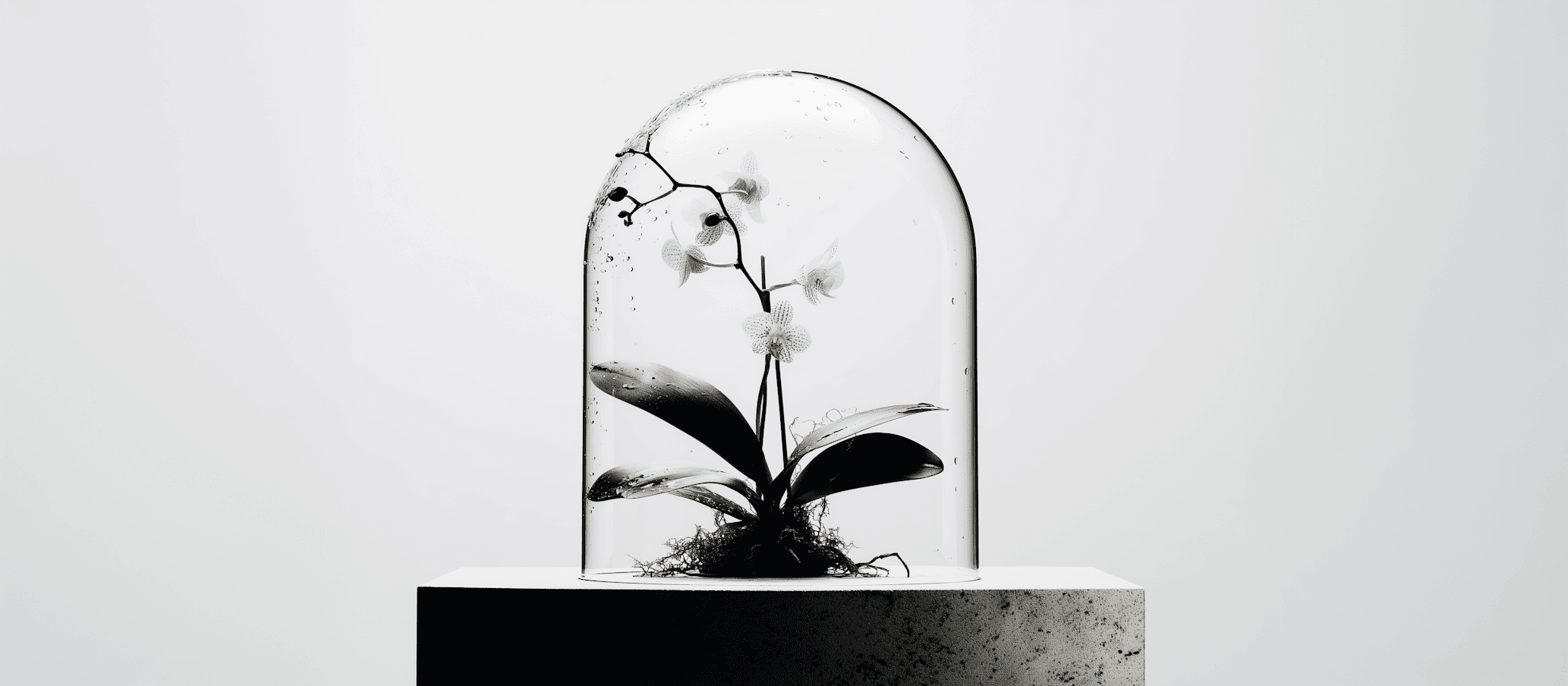
Orchid in glass dome
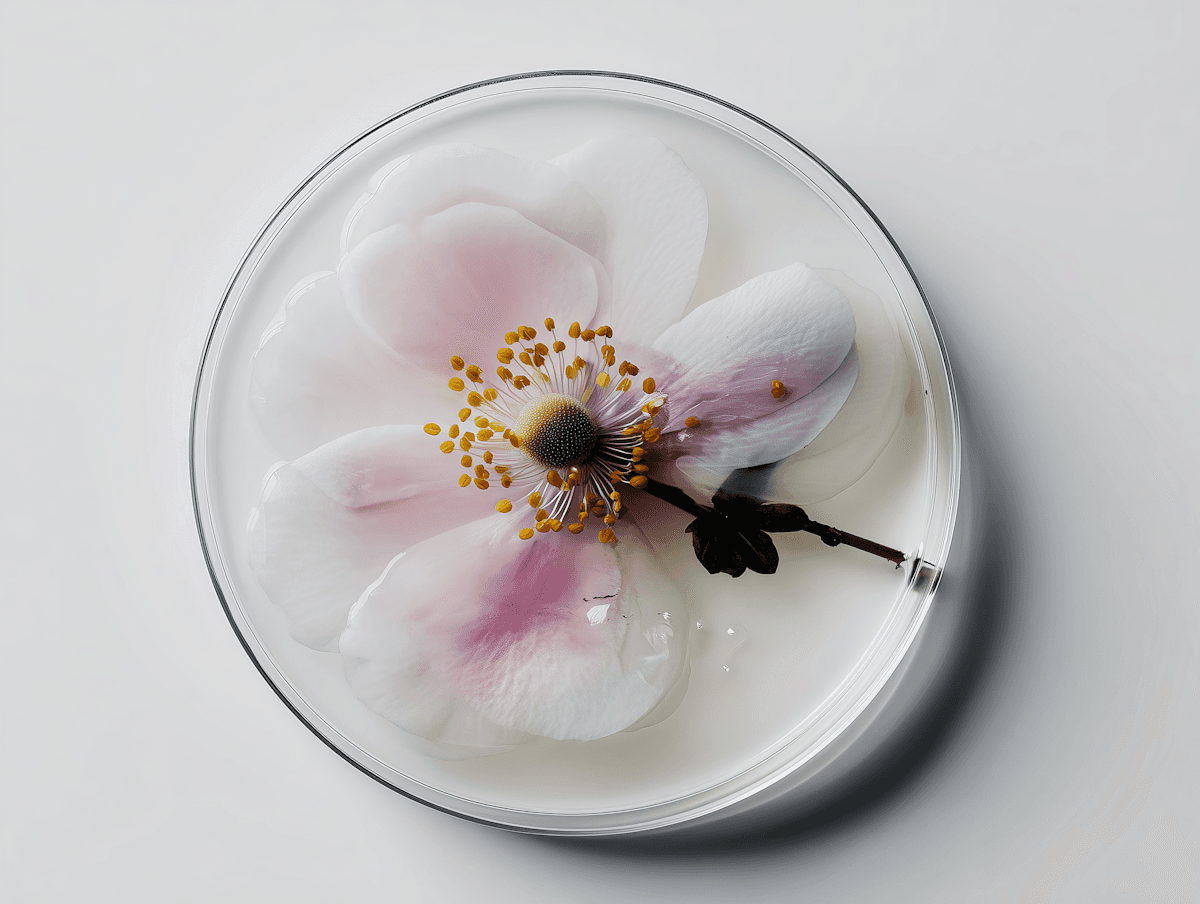
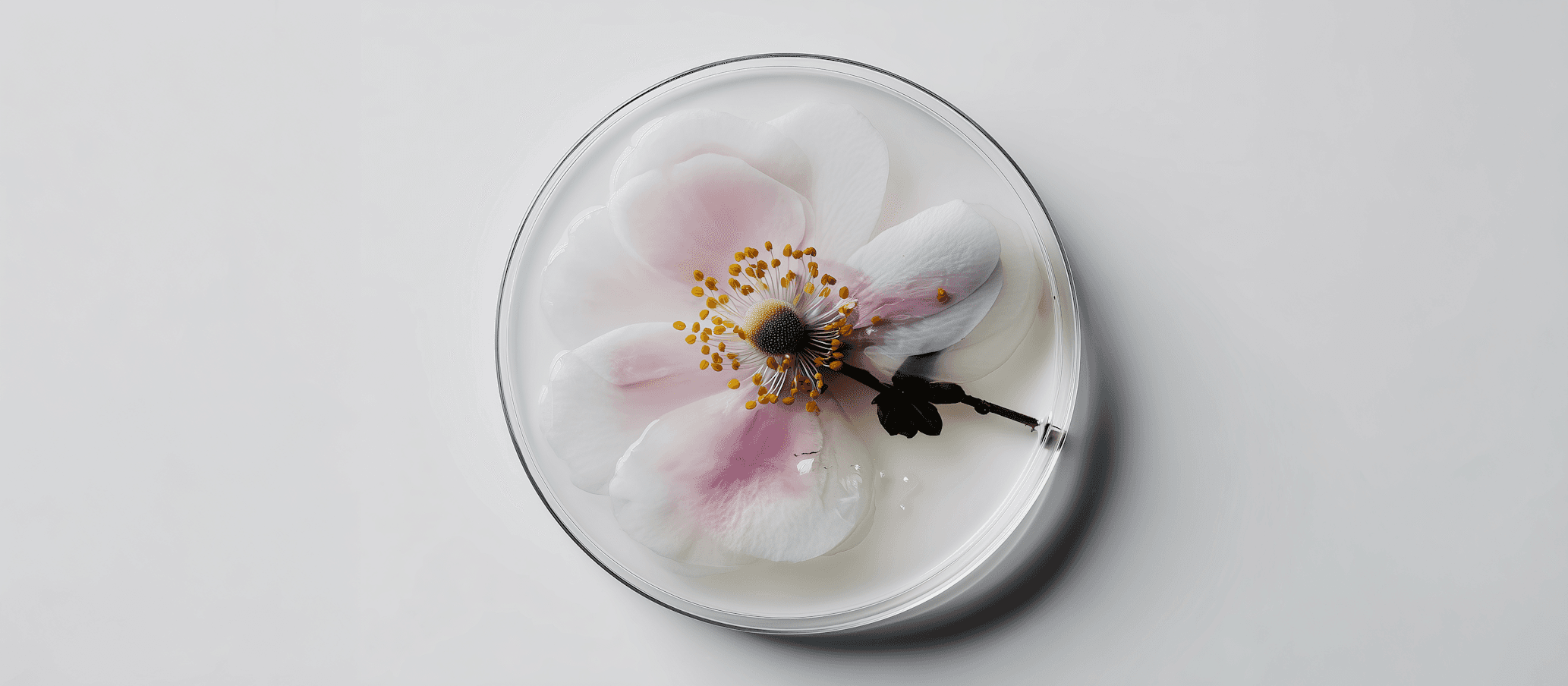
Pink flower in petri dish
Tulips in glass flask
Orchid in glass dome

Botanical systems

Growth patterns

Light Cycle Adaptation Study

Research type

Photoperiod response research

Year

2020-2022

An experiment examining how altered daynight cycles affect plant behavior. By extending and compressing light phases, the study documents changes in growth direction, leaf movement, and metabolic timing across several controlled environments.

Tulips in glass flask
Orchid in glass dome
Pink flower in petri dish
Tulips in glass flask
Orchid in glass dome

Botanical systems

Growth patterns

Light Cycle Adaptation Study

Research type

Photoperiod response research

Year

2020-2022

An experiment examining how altered daynight cycles affect plant behavior. By extending and compressing light phases, the study documents changes in growth direction, leaf movement, and metabolic timing across several controlled environments.

Glass bottle with pansies
Plant in glass flask
Violet flower in glass
Glass bottle with pansies
Plant in glass flask

Closed Systems

Longitudinal observation

Closed Loop Habitat I

Research type

Controlled ecosystem study

Year

2022ongoing

A sealed botanical environment designed to sustain plant life without external intervention. The study observes how microclimates stabilize over time and how subtle imbalances reshape the internal system. Data is collected across seasonal cycles.

Glass bottle with pansies
Plant in glass flask
Violet flower in glass
Glass bottle with pansies
Plant in glass flask

Closed Systems

Longitudinal observation

Closed Loop Habitat I

Research type

Controlled ecosystem study

Year

2022ongoing

A sealed botanical environment designed to sustain plant life without external intervention. The study observes how microclimates stabilize over time and how subtle imbalances reshape the internal system. Data is collected across seasonal cycles.

Floral water display
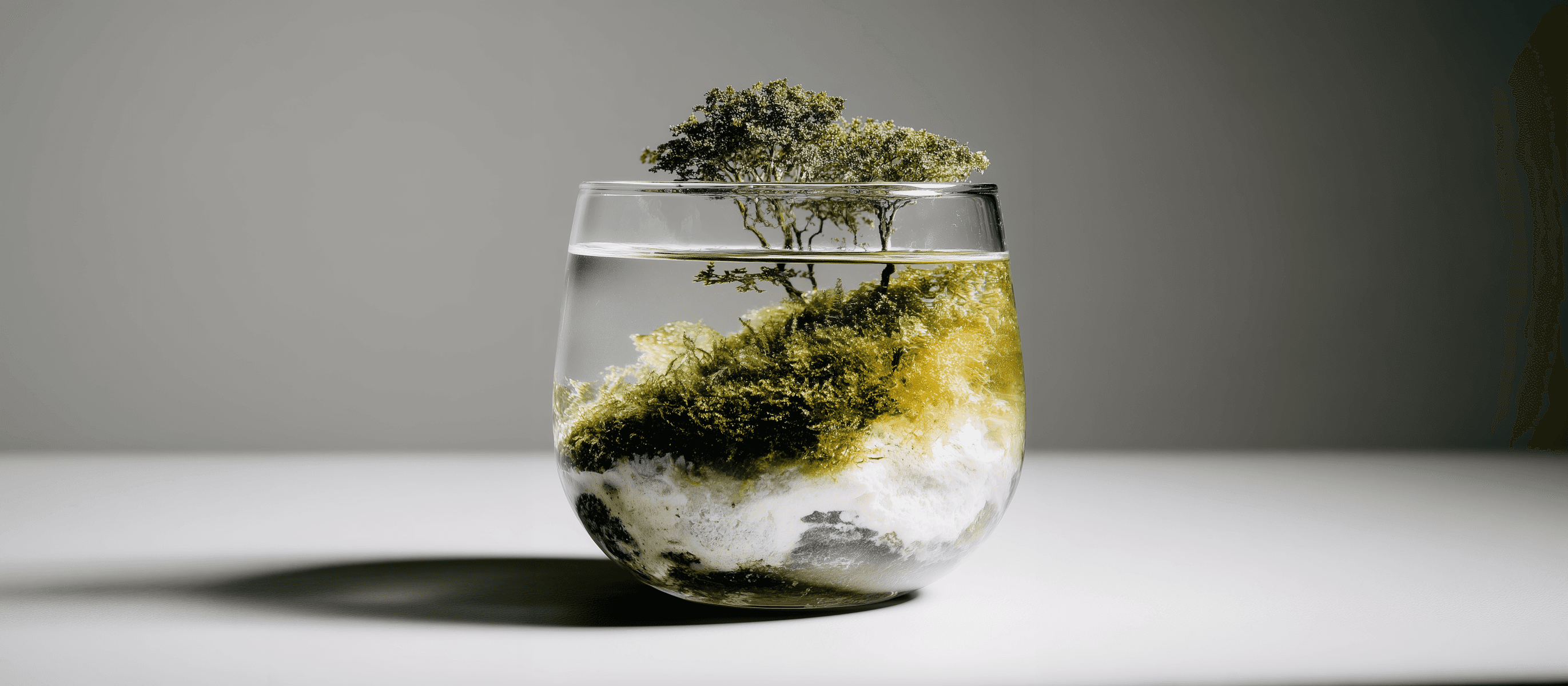
Modern terrarium display
Terrarium ecosystem
Floral water display
Modern terrarium display

Microhabitats

Environmental Monitoring

Urban Moss Index

Research type

Urban ecological observation

Year

20212023

A distributed study tracking moss growth across different urban surfaces. By observing moisture retention, air quality, and light exposure, the project maps how micro-ecosystems form within dense city environments and adapt to human infrastructure.

Floral water display
Modern terrarium display
Terrarium ecosystem
Floral water display
Modern terrarium display

Microhabitats

Environmental Monitoring

Urban Moss Index

Research type

Urban ecological observation

Year

20212023

A distributed study tracking moss growth across different urban surfaces. By observing moisture retention, air quality, and light exposure, the project maps how micro-ecosystems form within dense city environments and adapt to human infrastructure.

Floral spheres art
Bubbles and flowers
Frozen pansies
Floral spheres art
Bubbles and flowers

Environmental Monitoring

Growth patterns

Thermal Growth Chamber

Research type

Climate-controlled growth study

Year

2023ongoing

A series of plant cultures grown under gradually shifting temperature conditions. The study focuses on how slow thermal changes influence root structures, growth rhythms, and resilience patterns across multiple species over extended periods.

Floral spheres art
Bubbles and flowers
Frozen pansies
Floral spheres art
Bubbles and flowers

Environmental Monitoring

Growth patterns

Thermal Growth Chamber

Research type

Climate-controlled growth study

Year

2023ongoing

A series of plant cultures grown under gradually shifting temperature conditions. The study focuses on how slow thermal changes influence root structures, growth rhythms, and resilience patterns across multiple species over extended periods.

Science shaped by intention.

Reflections from institutions and research partners who have engaged with our work and observed its outcomes over time.

(Words From Our Partners)

Research for systems that think, adapt, and endure.

(FAQ)

Questions from outside the lab. Responses from within.

Find answers to common questions about our work and approach.
If something is missing, feel free to reach out below.

Find answers to common questions about our work and approach. If something is missing, feel free to reach out below.

What defines a controlled system in your research?

A controlled system is an environment where external variables are intentionally limited, allowing specific conditions to be observed without eliminating natural complexity.

Do your studies involve genetic modification?

No. Our research focuses on existing biological forms placed within controlled environments. We do not alter genetic structures or engineer new organisms.

How long are living systems observed?

Observation periods vary by study, but long-term monitoring is central to our methodology. Many processes cannot be understood through short-term analysis.

How do you address ethical considerations in your work?

All research is guided by strict ethical boundaries, prioritizing minimal intervention, transparency of method, and respect for living systems under study.

Is your research intended for commercial application?

Synthesia operates as a research institution. While findings may inform future applications, the primary objective is understanding—not optimization or product development.

Create a free website with Framer, the website builder loved by startups, designers and agencies.