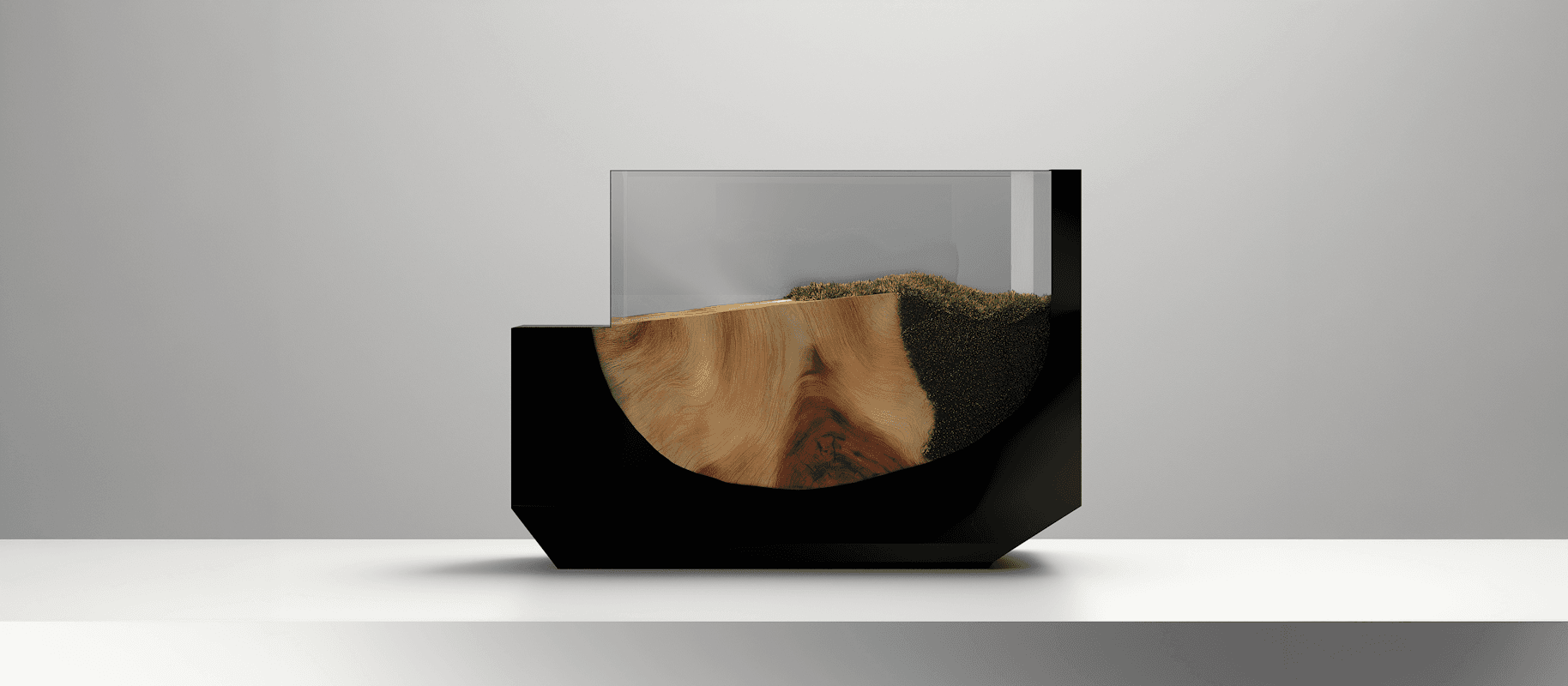
Closed Loop Habitat I
RESEARCH TYPE
Controlled ecosystem study
ENVIRONMENT
Self-sustaining botanical system
YEAR
2022–ongoing
(Overview)
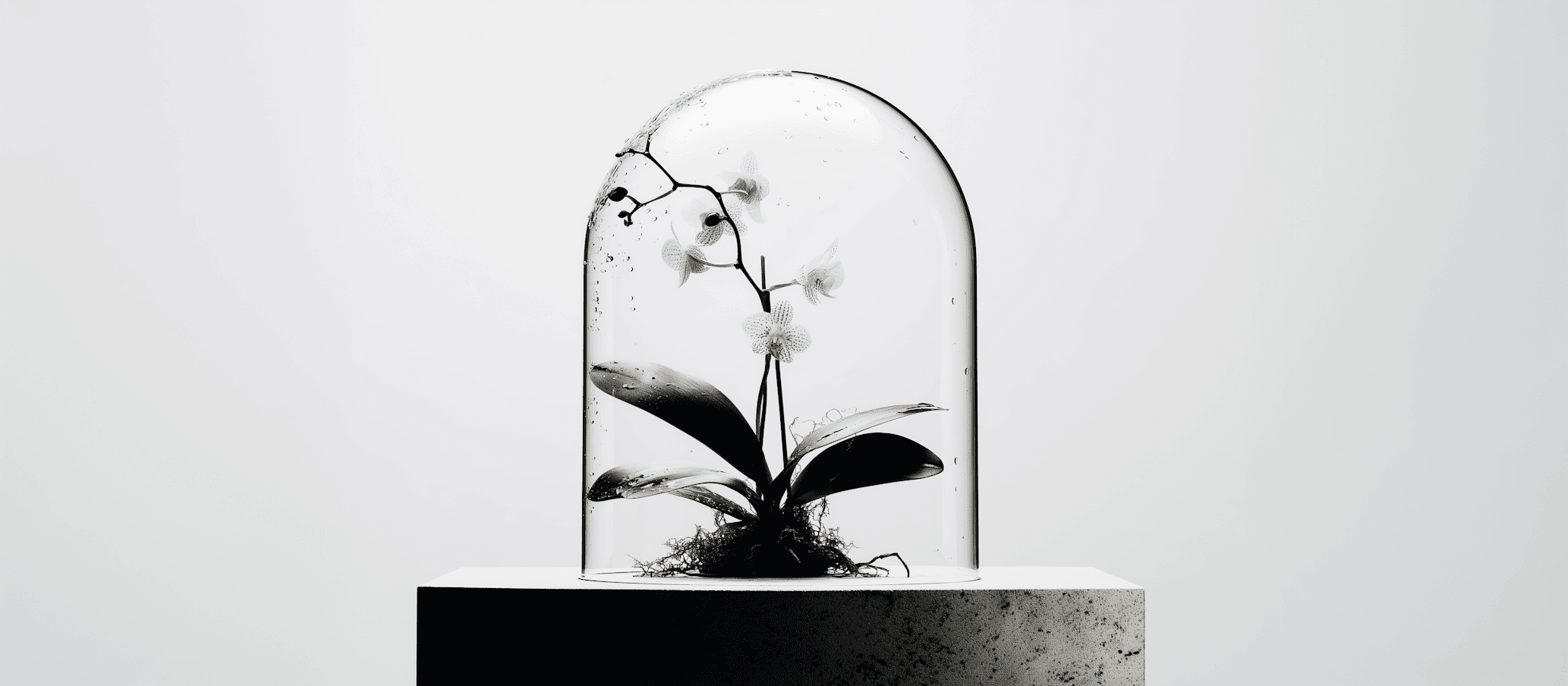
Closed Loop Habitat I explores how a self-contained ecosystem evolves without external input. By sealing the environment and allowing internal processes to regulate naturally, the study observes how balance, instability, and adaptation emerge over time. The goal is to understand how living systems behave when isolated from external interference.
(Our Approach)
The habitat was constructed as a sealed glass environment containing soil, plant life, and a controlled moisture baseline. After initialization, no additional resources were introduced. Light exposure remained consistent, while all internal changes—humidity cycles, condensation, and nutrient distribution—were driven by the system itself. Continuous observation focused on plant health, moisture circulation, and signs of imbalance or recovery. The study emphasized non-intervention, allowing the system to self-correct over extended periods.
(Key Findings)
0
0
%
Systems reached a stable internal balance after initial fluctuation phases.
0
0
%
Moisture cycles self-regulated without external adjustment.
0
0
%
Temporary instability phases led to stronger long-term equilibrium.
(Outcome)
Closed systems, when carefully initiated, can develop sustainable internal dynamics over time.